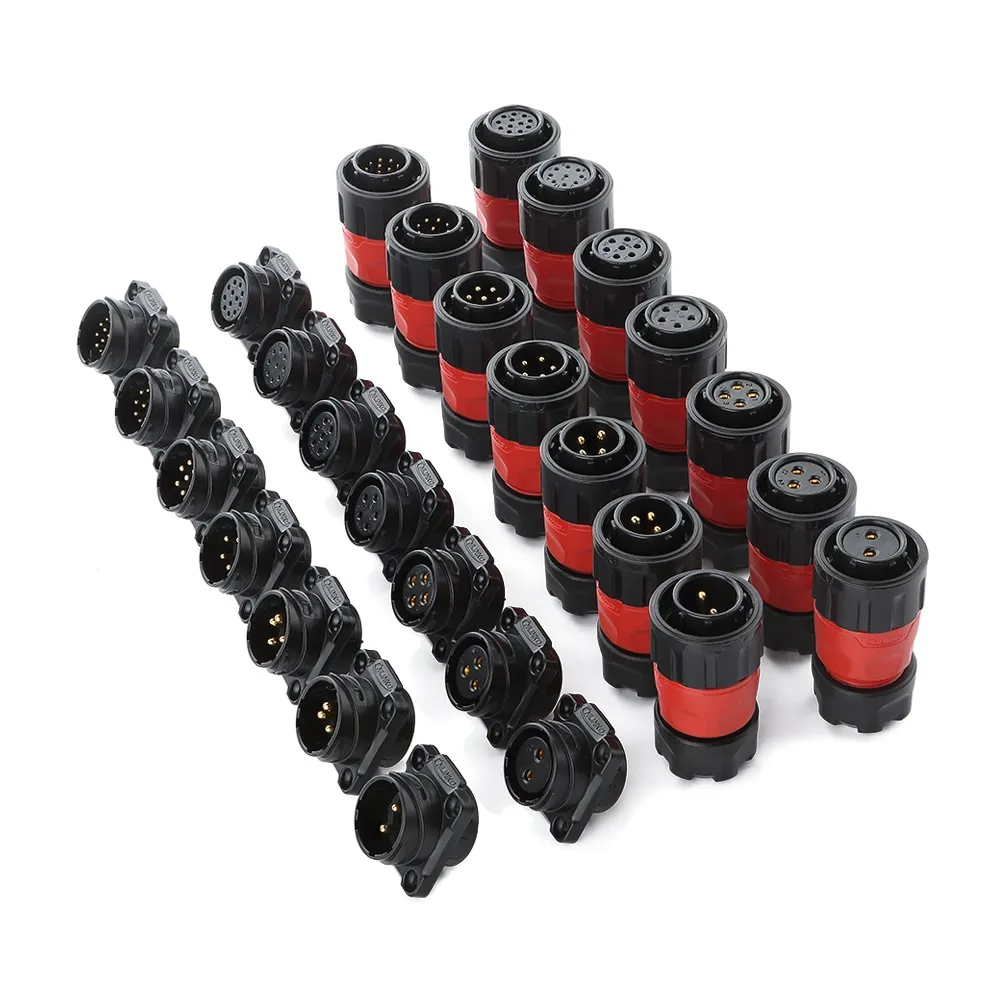
Upgrading or maintaining your electric motorcycle? Don't let connectors be an afterthought. Whether you're installing a new accessory, replacing a charging port, or building a custom bike, selecting the right connector is crucial for performance, safety, and compatibility. This guide will help you navigate the key specifications and types to make an informed choice.
Upgrading or maintaining your electric motorcycle? Don't let connectors be an afterthought. Whether you're installing a new accessory, replacing a charging port, or building a custom bike, selecting the right connector is crucial for performance, safety, and compatibility. This guide will help you navigate the key specifications and types to make an informed choice.
Navigating the world of connectors can be technical, but focusing on a few critical parameters will steer you in the right direction.
Key Specifications to Decode
Always check the manufacturer's datasheet for these essential specs:
- Voltage Rating: Must exceed your system's maximum operating voltage (e.g., 48V, 72V, or higher for performance bikes). Using an under-rated connector is a severe safety risk.
- Current Rating (Amps): This is the continuous current the connector can carry without overheating. Match this to your controller's max current draw with a safety margin (e.g., for a 50A controller, choose a 60-70A rated connector). Peak ratings are for short bursts only.
- IP Rating (Ingress Protection): A two-digit code (e.g., IP67) indicating protection against solids (first digit: 6= dust-tight) and liquids (second digit: 7= temporary immersion). For external connectors, IP65 or higher is recommended.
- Termination Type: How wires are attached: soldered, crimped, or screw terminal. Crimped connections with proper tools often offer the best reliability for high-vibration applications.
- Mating Cycles: The guaranteed number of connect/disconnect actions before failure. Charging ports should have a very high rating (>5,000 cycles).
Common Connector Types for E-Motorcycles
| Connector Type |
Best For |
Key Advantages |
Considerations |
| Anderson Powerpole |
Accessory power (lights, USB), medium-power DC links. |
Modular, easy to reconfigure, good for 12-48V systems. |
Not inherently waterproof; requires separate boots. |
| XT Series (XT60, X90) |
Battery-to-controller/charger connections in DIY/performance builds. |
Robust, high current rating, common in hobbyist and EV communities. |
Solder terminals; quality varies greatly by brand. |
| Deutsch Connectors |
High-vibration, professional, or rugged applications. |
Extremely reliable, sealed, automotive/military grade. |
Expensive; require specialized crimping tools. |
| OEM Charging Ports |
Direct replacement of the factory charging inlet. |
Guaranteed compatibility and safety with your bike's BMS and charger. |
Usually model-specific; must be sourced from OEM. |
Step-by-Step Selection Process
- Define the Application: Is it for main power, charging, or a low-power accessory? This dictates the current and environmental needs.
- Audit Your System: Know your battery's nominal and max voltage and your controller's maximum continuous current draw.
- Prioritize Environment: Will it be exposed to weather? Choose a connector with an appropriate IP rating and robust housing.
- Consider the Future: Select a current rating that allows for potential system upgrades (e.g., a more powerful controller).
- Invest in Tools: For crimp-type connectors, buy the correct crimping tool. A poor crimp is the weakest link, regardless of connector quality.
Remember: When in doubt, especially for critical high-voltage connections, consult a professional or stick with OEM-specified parts. The right connector is an investment in a trouble-free and safe riding experience.
What type of connectors have you used on your projects? Do you have a favorite brand or type for reliability? Contact us for more information!